MRA In The News

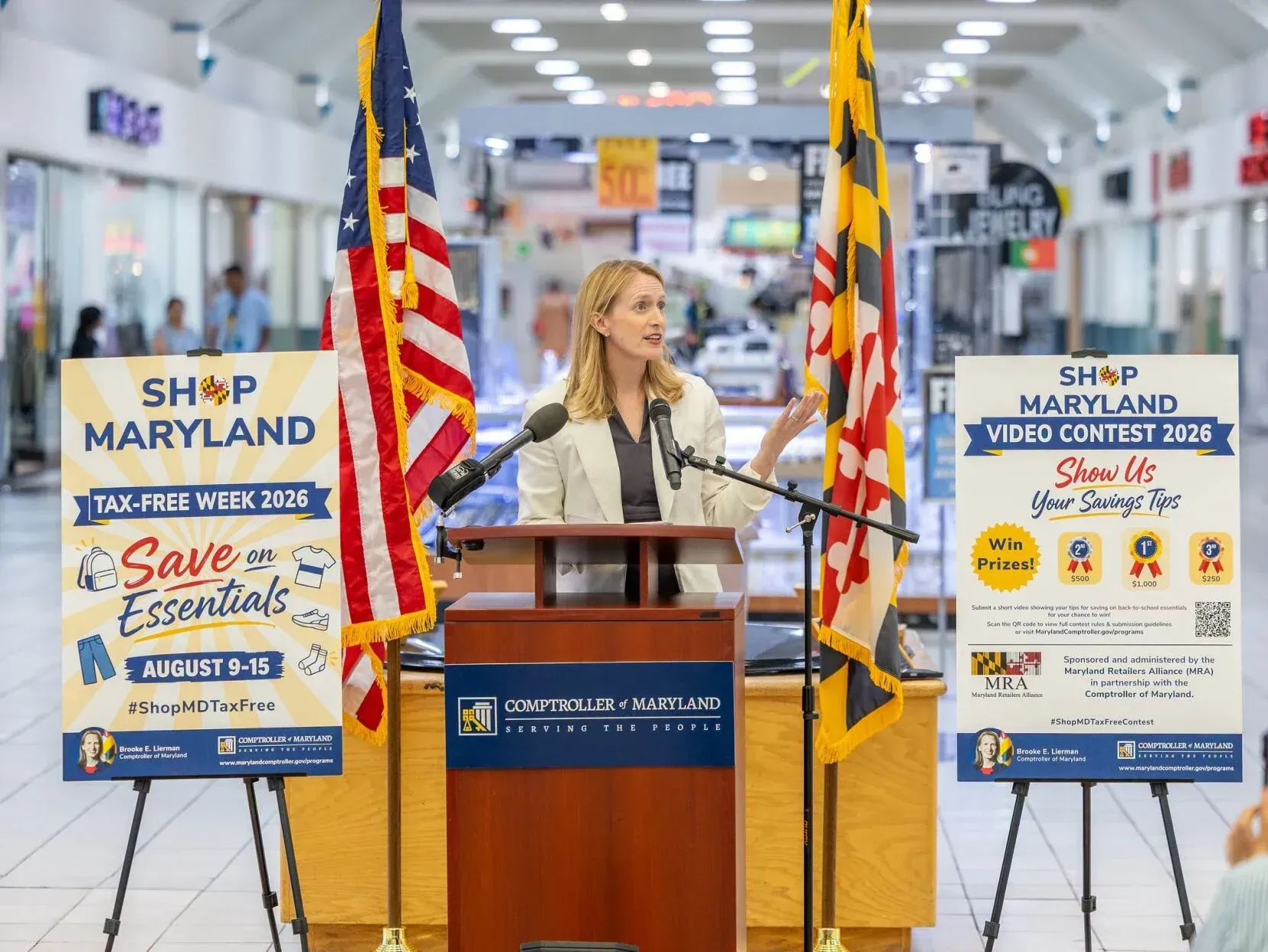
As published by Chris Monticalmo GREENBELT, Md. — Maryland Comptroller Brooke E. Lierman announced Wednesday that the state’s annual Shop Maryland Tax-Free Week will return next month, offering families a break on back-to-school essentials and boosting local retailers. The tax holiday will run from Sunday, Aug. 9, through Saturday, Aug. 15. During the week, qualifying clothing and footwear priced at $100 or less per item will be exempt from the state’s 6 percent sales tax. In addition, the first $40 of a backpack’s purchase price will be exempt from the tax. Lierman, who made the announcement during a press conference at Beltway Plaza Mall, also unveiled a partnership with the Maryland Retailers Alliance for a promotional video contest. Under the initiative, Marylanders can submit short videos filmed at brick-and-mortar retailers in the state sharing money-saving tips. Participants can win up to $1,000 to use during the tax-free week. In a statement, Lierman said the week provides meaningful savings for families on everyday essentials while supporting local businesses that strengthen communities and economies. She encouraged residents and visitors alike to shop local to take advantage of the discount. Local officials and business leaders underscored the importance of the sales tax holiday for small, family-owned establishments. Beltway Plaza Mall is home to more than 90 businesses, many of which are immigrant-owned and represent more than 20 languages. Kenny Wine, vice president of operations for Beltway Plaza Mall, called the week one of the busiest and most crucial shopping events of the year, noting that it drives vital customer traffic to local merchants. State Del. Nicole Williams and Greenbelt Mayor Emmett Jordan also praised the initiative, noting that the temporary relief helps families manage rising household costs. Cailey Locklair, president of the Maryland Retailers Alliance, said every purchase made at a neighborhood retailer helps sustain local jobs and keep the state’s economy thriving. Submissions for the video contest will be accepted through Aug. 1, with winners scheduled to be announced on Aug. 8, the day before the tax-free week begins. Information regarding eligible items, contest rules, and frequently asked questions is available on the Maryland Comptroller’s website. Click here to read article on NottinghamMD https://nottinghammd.com/2026/07/19/2026-s hop-maryland-tax-free-week-and-cash-prize-video-contest-details-announced/
The body content of your post goes here. To edit this text, click on it and delete this default text and start typing your own or paste your own from a different source.
As published by Dominique Moody and Paulina Inglima As prices continue to climb, sticker shock has become a familiar experience for Maryland shoppers. The state hopes to offer temporary relief during its annual tax-free week, running Aug. 9 to 15, just in time for back-to-school shopping. Tax-free items include clothing and footwear priced under $100, as well as the first $40 of a backpack purchase. Here’s an FAQ on what qualifies. The state is partnering with the Maryland Retailers Alliance in a social media contest that gives shoppers a chance to win up to $1,000 during tax-free week. Residents can enter by sharing “a short video (15–60 seconds recommended) at a Maryland retailer sharing a tip for saving money during Maryland's Tax-Free Week.” The contest is open to Maryland residents ages 18 and up and there will be prizes of $1,000, $500 and $250. The winners will be announced the day before tax-free week begins. See all details and eligibility requirements here. A spokesperson said the initiative is “designed to celebrate Maryland retailers while encouraging shoppers to share their tax-free finds and savings.” Local Washington, D.C., Maryland and Virginia local news, events and information Maryland Comptroller Brooke Lierman said the savings matter. “This is an important way to meet Marylanders where they are and make it more affordable to live in this state,” Lierman said. Betty, a Maryland shopper, said she is feeling the impact of rising costs even without children to shop for. “I’m just a family of one, and I’m complaining about the prices and costs,” Betty said. She said she doesn’t have kids but understands how tax-free week can help families prepare for back-to-school. “The books, the uniforms, the shoes — we need a break, and we need it now.” Click here to read article on NBC4 Washington https://www.nbcwashington.com/news/local/maryland-tax-free-week-offers-relief-from-rising-prices/4131387/
The body content of your post goes here. To edit this text, click on it and delete this default text and start typing your own or paste your own from a different source.
The body content of your post goes here. To edit this text, click on it and delete this default text and start typing your own or paste your own from a different source.
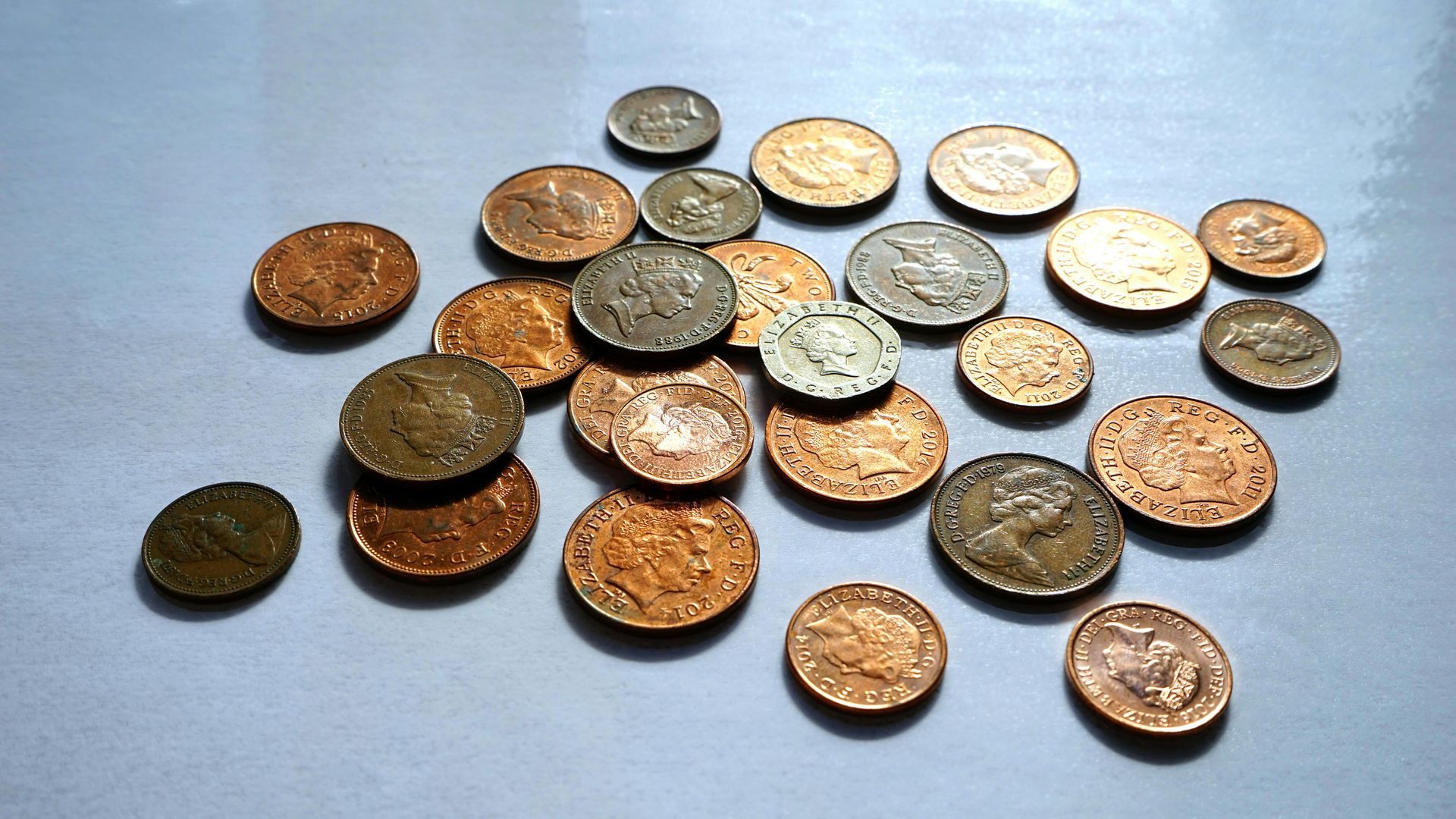
As published by Patrick Herron Maryland’s annual Shop Maryland Tax-Free Week will run from Sunday, August 9, through Saturday, August 15, giving shoppers a break on the state’s 6% sales tax for qualifying clothing, footwear, and backpacks. Clothing and footwear priced at $100 or less per item qualify for the exemption, while the first $40 of a backpack purchase is also tax-free. Comptroller Brooke E. Lierman announced the program Wednesday at Beltway Plaza Mall in Greenbelt, encouraging Marylanders to shop local while preparing for the new school year. The Comptroller’s Office also announced a partnership with the Maryland Retailers Alliance to give shoppers a chance to win up to $1,000 through the Maryland Tax-Free Week Video Contest. Marylanders can enter by submitting a short video from a brick-and-mortar Maryland retailer sharing a money-saving tip between July 15 and August 1. Winners will be announced on August 8, one day before Tax-Free Week begins. Officials said the annual tax holiday helps families save on back-to-school essentials while supporting Maryland’s small businesses and local economy. Click here to view the article on The MoCo Show https://mocoshow.com/2026/07/15/maryland-tax-free-week-returns-august-9/
The body content of your post goes here. To edit this text, click on it and delete this default text and start typing your own or paste your own from a different source.
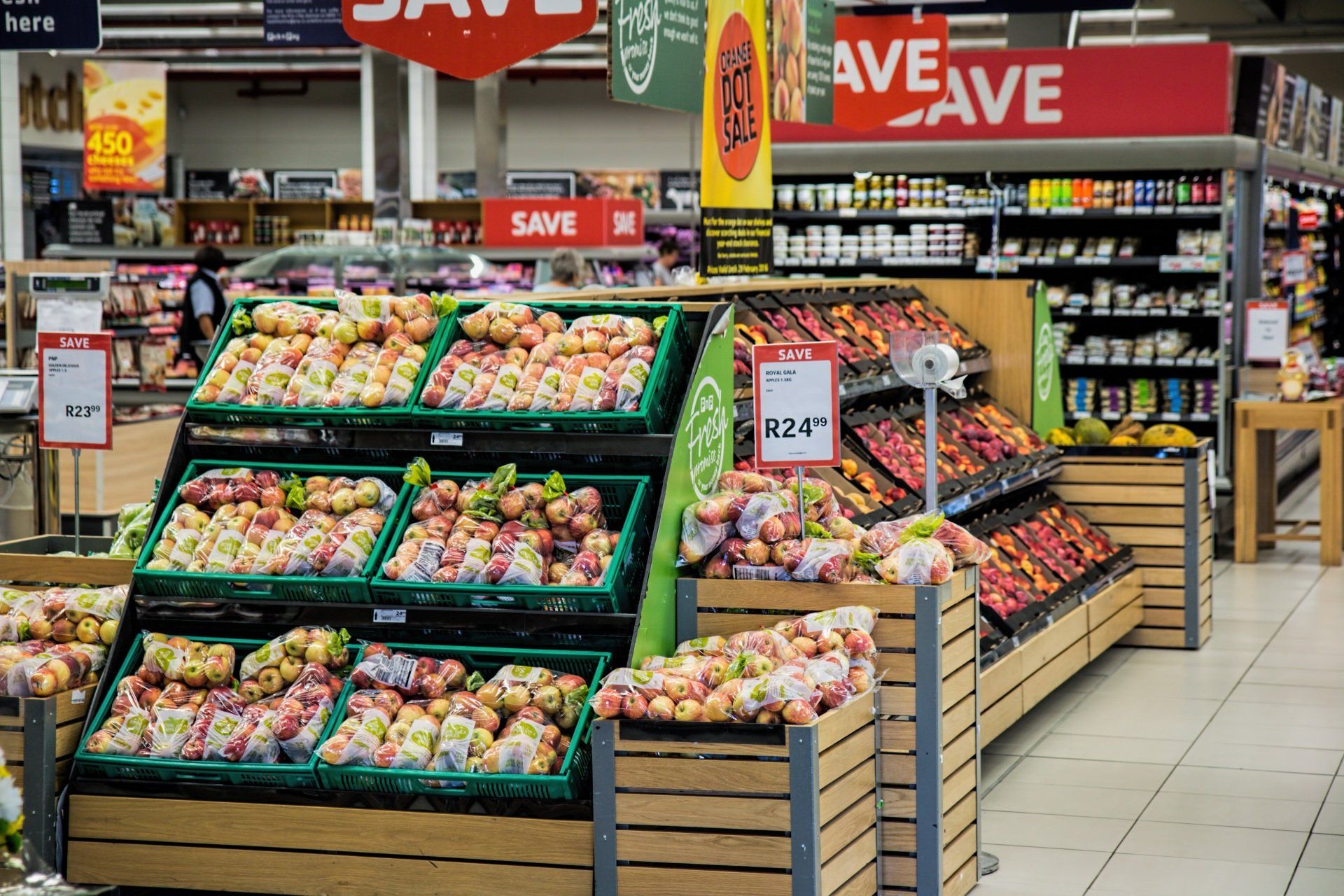
As excerpted from Governing : In April, Maryland became the first state to ban s urveillance pricing for grocery stores and food delivery services, setting a potential precedent for other states as consumers grow increasingly wary of companies using their data to offer them higher prices. “At a time when Marylanders are already stretched by the rising cost of groceries, housing and everyday necessities, we must ensure that new technologies are not used to drive up the bill for working families,” Gov. Wes Moore said in a statement announcing the Protection from Predatory Pricing Act . Critics of these pricing practices (also called “personalized pricing”) say the practice allows companies to unfairly upcharge some consumers based on their personal data. “Grocery store chains are using reams of personal data to charge people different prices for the same bag of groceries,” writes Economic Action Maryland, a group backing the law. “With surveillance pricing, your personal data is used to adjust the price to what an algorithm has calculated you will pay. … Shoppers don’t have this information to make decisions about prices or know that their bag of groceries costs $10 more than their next-door neighbors.” Maryland’s law was inspired by the proliferation of electronic shelf labels in stores, which could in theory be updated rapidly to display higher prices for goods based on the weather, time of day or detailed consumer data, according to the Moore administration . An earlier version of the law would’ve stopped businesses from changing their prices within the same business day. The new law specifically bans companies from using personal data to set individualized, higher prices for consumers. The law clarifies that it does not block “temporary changes or changes to pricing” intended to retain existing customers. Some advocates, however, say the law should’ve also barred setting individualized discounts. In theory, a store barred from upcharging based on personal data could still artificially raise all its baseline prices, then offer individualized discounts to consumers based on assumptions of what they’re willing to pay. The Maryland Retailers Alliance, on the other hand, says the state law is completely unnecessary, especially in its focus on food retailers. The state’s existing consumer protection law already bars misleading or discriminatory pricing, the alliance says, and the attorney general “has no record of substantiated complaints indicating a pattern of grocery stores engaging in unlawful predatory pricing increases.” Click here to read the full article from Governing .
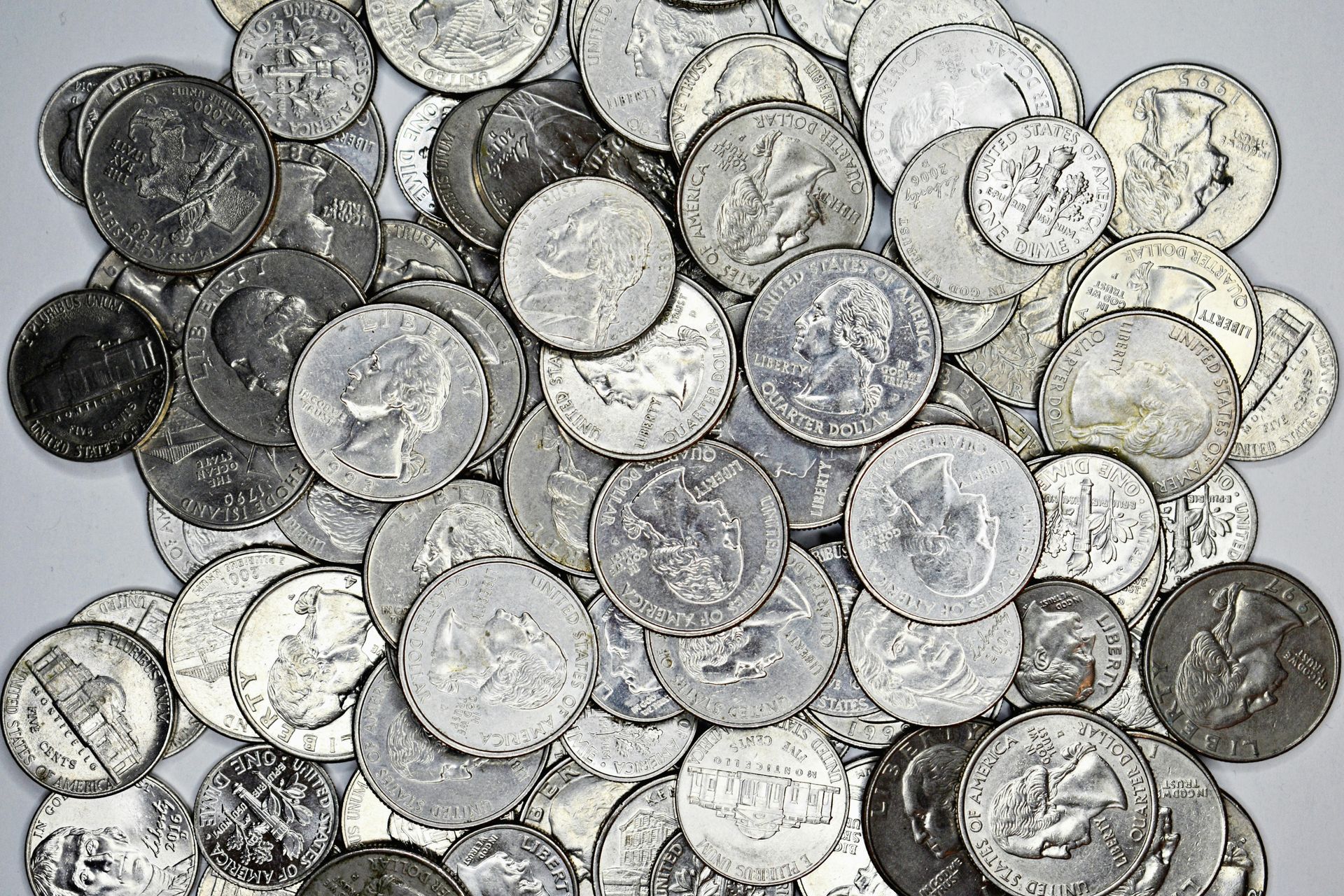
As published by WBALTV11 : BALTIMORE — Maryland has a new law on the books that impacts cash payments at checkout. The emergency bill gives businesses the option of rounding up or down the amount of change to the nearest cent divisible by five. Will all businesses have to do this? How does it impact sales taxes? WBAL-TV 11 News has the answers. This is just an option for business, as stores that use pennies to make exact change may still do so. This does not impact sales taxes that will be applied to the original unrounded price. A new penny rounding law was a popular topic for callers, who gave their "two cents" on WBAL Radio's C4 & Brian Nehman morning radio show. "I (kind of) like it," a caller said. "Those of us who have these jugs of pennies, be a good Samaritan (and) go to the Dollar Tree, pay your entire bill in pennies so they have enough pennies to give everyone change." Gov. Wes Moore signed the emergency legislation last week. It's in response to the federal decision last year to stop making pennies. The new law gives retailers conducting cash transactions the option of rounding either the final price or the change due, but not both, to the nearest five cents when exact change is not available. "I think it is (kind of) stupid. I don't think they should have stopped making the penny. It's going to screw over a lot of people who rely on pinching pennies," Ronan, a visitor to Baltimore, said. "I hate pennies. I have so many of them. So, it's just convenient," Cathy from Baltimore said. "I'm not liking it. You are nickel-and-dimed everywhere for tips and for all this and that. So, giving up a few cents here and there. Not loving it," Diana Castleberry from Baltimore said. Here's how it works. If the price ends in 1, 2, 6 or 7 cents, the change in cash-only transactions may be rounded down to the nearest cent divisible by 5. If the price ends in 3, 4, 8, or 9 cents, the price can be rounded up to the nearest cent divisible by five. The owner of Melrose Place on The Avenue said she hadn't heard about the penny rounding option. "Definitely one more thing to do. Definitely have to let my staff know. Definitely have to prepare for future transactions," Vishau Paysour, the owner of Melrose Place, said. Shoppers should know the law only applies to cash payments, and exact change is still accepted. It is optional for businesses, and some may not do it. Sales tax stays the same and will be calculated on the original price. "I'm OK with rounding. I'm not a big penny fan. So, I would say as long as it is consistent," Debbie Yare from Baltimore said. The new law is widely supported by business groups, including the Maryland Retailers Alliance. Businesses are encouraged to make their rounding policies known to customers at the point of sale. Click here to read the article from WBALTV11 .
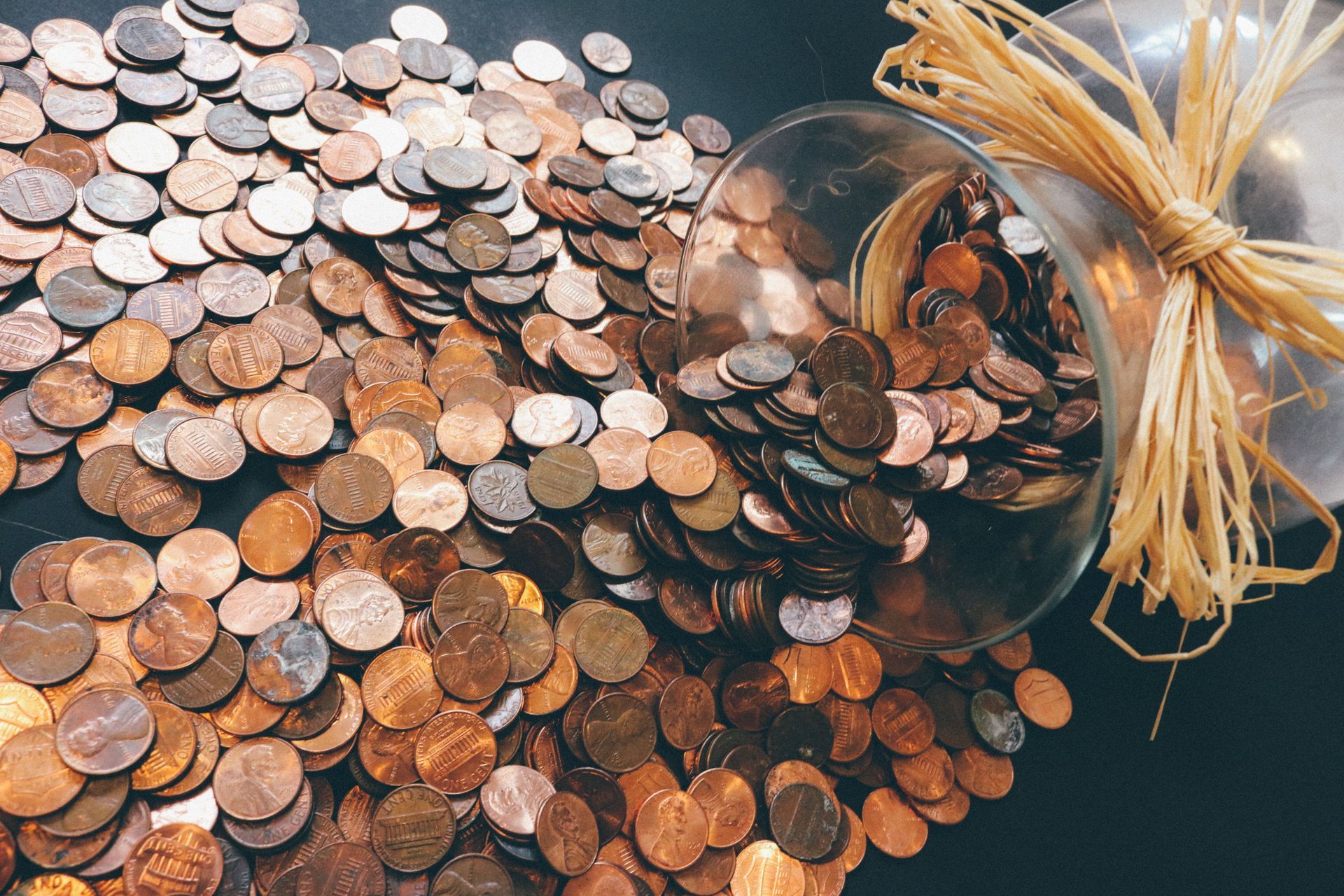
As excerpted from TheBayNet.com : ANNAPOLIS, Md. — A new Maryland law allowing retailers to round cash transactions to the nearest nickel took effect immediately last week following its signing by Gov. Wes Moore as an emergency measure. The legislation, backed by the Maryland Retailers Alliance , is designed to address a growing shortage of pennies that has made it increasingly difficult for businesses to provide exact change in cash transactions. According to a May 2026 tax alert issued by the Maryland Comptroller’s Office , the cessation of penny production “has created a penny shortage, making providing change for cash transactions difficult in some cases.” How The Rounding Works Under the law, retailers conducting cash transactions may round either the final price or the change due — but not both — to the nearest 5 cents when exact change is unavailable. If a total ends in 1, 2, 6 or 7 cents, the amount is rounded down. Totals ending in 3, 4, 8 or 9 cents are rounded up. The policy applies only to cash payments and does not affect credit, debit or digital transactions. It also does not apply when customers provide exact change. Tax Calculations Unchanged Officials stressed that the rounding law does not impact how sales tax is calculated. Taxes must still be applied to the original, unrounded price. “The rounding law does not change the taxable price of a product or service,” the Comptroller’s Office noted, adding that sales tax must be calculated before any rounding occurs. Optional For Businesses Participation in the rounding practice is optional. Businesses that still have sufficient pennies may continue to provide exact change, and the law does not require rounding in any transaction. The measure took effect May 12 after being passed by the Maryland General Assembly as companion bills — House Bill 1026 and Senate Bill 893 — and signed into law the same day. Click here to read the full article from TheBayNet .