The Voice of Retail in Maryland
We advocate for the retail community, provide cost-saving opportunities and benefits, and keep our members up-to-date on the latest news impacting businesses in Maryland.
Legislative advocacy for Maryland retailers at the state and local level remains our number one job.
Our cost-saving benefit partners, offering deals exclusive to MRA members, will put money back in your pocket.
As published by Modern Retail : Consumer-facing companies are making headlines these days for how they do or do not use data to set consumer prices. Everything from the rise of digital shelf labels to screenshots of pricing algorithms is fueling concerns among consumers that retailers are increasingly using customer data to engage in dynamic pricing, and it is putting more retailers on the defensive. Last week, Reuters published an investigation into McDonald’s pricing practices entitled “ Inside McDonald’s push to have AI price your Big Mac .” The Reuters report examined how McDonald’s pricing system worked, based on screenshots of the pricing engine taken in August and interviews with nine sources who have “first-hand knowledge of the burger chain’s strategy.” Screenshots taken by Reuters suggest that franchise owners receive suggestions on how to price items based in part on factors like “customer willingness to pay in your area.” McDonald’s, for its part, said in a statemen t on its website refuting the Reuters report that “McDonald’s pricing recommendation tool provides restaurant-specific recommendations. It does not set or change prices. Franchisees decide what prices to charge and whether to use the recommendations available to them.” Meanwhile, just days before that, Walmart made headlines when it posted a note on its website from its CEO, John Furner, explaining its pricing systems in response to customer concerns. “AI has added incredible new ways for us to serve our customers and members, and it rightfully also raises questions about the information it has access to,” the note said. When customers use Walmart’s AI assistant Sparky, “that’s an invitation to serve you better, not to use your personal information to set a personalized price. We’ve never used the relationships our associates have with customers to charge more, and we won’t do that with AI.” The letter included three other commitments from Walmart — that it does not currently, and will not, “set different prices based on who you are or the time of day,” and that its shopping tools wouldn’t either. Furner also promised that “we’ll continue to use your information responsibly and respect your choices.” What’s driving all these retailers to come out and defend their pricing tactics? As AI becomes more prevalent, concerns around dynamic pricing are growing. There’s a fear that retailers will become more surgical with how they use consumer data. In particular, that they could use AI to make recommendations on what to charge down to the individual shopper level. Some states have now passed laws taking aim at dynamic pricing. Maryland, for example, passed a law banning the practice at grocery stores . Cailey Locklair, president of the Maryland Retailers Alliance, told Modern Retail at the time that the group had no qualms with the law because “this is not a common industry practice for us at all.” Classic supply and demand — rather than individual shopper data — is the biggest driver of how retailers set prices. Then in August, the FTC put out a proposed enforcement policy involving personalized pricing, noting , “There is growing public concern that modern data collection and processing capabilities can allow businesses to set personalized prices based on analysis of consumers’ personal data.” Serial entrepreneur James Sun is the CEO of Kapnova, an AI company that has built an agentic quantitative decision system for retailers that helps them look at pricing and marketing spend to optimize for revenue. He says that, generally speaking, people are used to the idea of dynamic pricing around popular events — think airline tickets and hotel prices going up ahead of the Super Bowl. But, he said, at the same time, if retailers get more surgical about pricing, and change prices more frequently, there’s a risk. People love to compare prices — especially with friends — and they may be turned off from buying from the brand if they feel like they know other people got a better deal. “I think that’s something the brands have to really consider — that dynamic pricing could impact what the value or the perceived value of that price should be,” he said. Click here to read the article on ModernRetail.co .
As published by The Shelby Report : The Maryland Retailers Alliance has presented its 2026 annual awards, honoring legislators, law enforcement and industry partners. The honorees included a Safeway associate recognized for retail theft prevention, following a legislative year in which the association weighed in on more than 100 bills touching Maryland retail. The awards capped a legislative session whose biggest battles involved the grocery industry. MRA was heavily involved in drafting the state’s dynamic pricing legislation governing how retailers set prices on goods, and worked with Senate leaders on bills addressing predatory lending, gift card scams and guidance for retailers and customers navigating cash payments now that the federal government has discontinued minting the penny. “This past year was another incredibly busy one for the Maryland Retailers Alliance,” said Cailey Locklair, MRA president, who also leads the Maryland Food Industry Council. “To the elected officials joining us tonight: thank you for taking our calls, meeting with our members, listening to our concerns, working through complicated issues with us, sponsoring amendments and supporting Maryland’s retail community.” Ahmad Ali of Safeway received a Retail Theft Prevention Award. The other honorees were: Legislator of the Year – Senate President Bill Ferguson; Louis L. Goldstein Public Service Award – Sen. Pam Beidle; Retail Theft Prevention Award – Sergio D’Alto, Bel Air Police Department; Retail Theft Prevention Award – Ahmad Ali, Safeway; and Retail Theft Prevention Award – Lara King, Anne Arundel County State’s Attorney’s Office. “What I’ve learned in the last few years is that real leadership requires listening,” said Ferguson. “It means working with those who are impacted most, you, our retailers, who are growing in our neighborhoods, who are being incentivized to open up in our main streets across our entire state. If our retailers are successful, then Maryland is successful.” Beidle noted the personal resonance of her award: Comptroller Louis Goldstein, the honor’s namesake, was the guest speaker at her very first fundraiser when she ran for office 28 years ago. The awards were presented virtually, with the ceremony viewable here . The alliance is a statewide membership association representing retail businesses of all segments and sizes throughout Maryland. Click here to view the article on The Shelby Report .
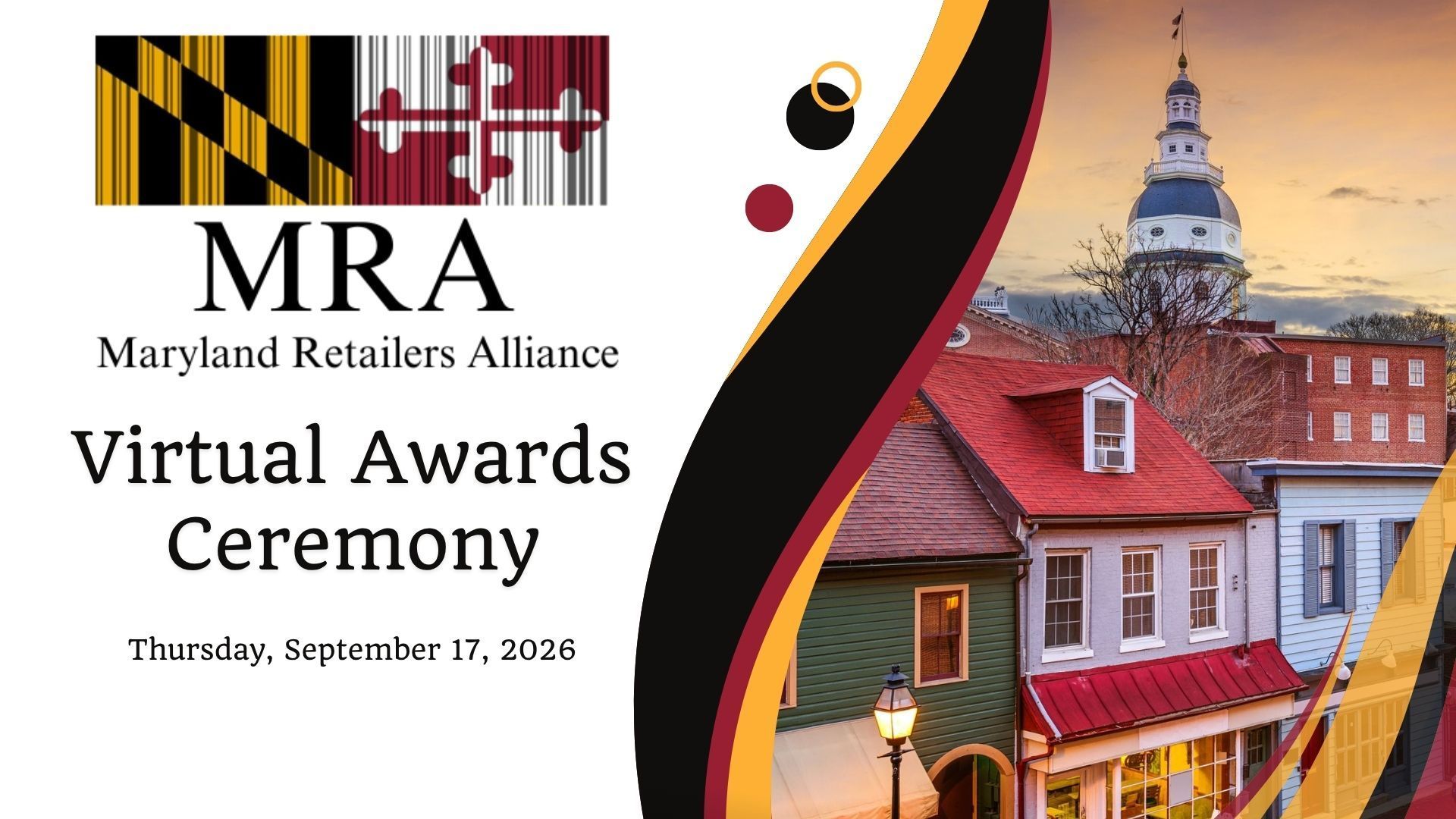
ANNAPOLIS, MD – The Maryland Retailers Alliance (MRA) today presented its 2026 awards for individuals who have supported the retail industry over the past year. MRA’s annual awards recognize legislators, business owners, community leaders, and industry partners who support the mission of the organization and the growth and stability of the retail business community in Maryland. “This past year was another incredibly busy one for the Maryland Retailers Alliance,” said Cailey Locklair, MRA President. “To the elected officials joining us tonight: thank you for taking our calls, meeting with our members, listening to our concerns, working through complicated issues with us, sponsoring amendments, and supporting Maryland’s retail community.” This year’s award categories included Legislator of the Year, the Louis L. Goldstein Public Service Award, and the Retail Theft Prevention Award. The following individuals were honored: Senate President Bill Ferguson, Legislator of the Year Senator Pam Beidle, Louis L. Goldstein Public Service Award Sergio D'Alto, Bel Air Police Department, Retail Theft Prevention Award Ahmad Ali, Safeway, Retail Theft Prevention Award Lara King, Anne Arundel County State's Attorney's Office, Retail Theft Prevention Award “I am so grateful and humble to accept the 2026 legislator of the year award from the Retailers Alliance; it really means a great deal to me personally, but also on behalf of the Senate of Maryland,” said Senate President Bill Ferguson. “What I’ve learned in the last few years is that real leadership requires listening. It means working with those who are impacted most–you, our retailers, who are growing in our neighborhoods, who are being incentivized to open up in our main streets across our entire state. If our retailers are successful, then Maryland is successful.” The Maryland Retailers Alliance weighed in on over 100 bills in Annapolis during the 2026 legislative session, and was heavily involved in the drafting of the dynamic pricing legislation which will impact how retailers set prices on goods throughout the state. The organization worked closely with leaders in the Senate on this and other bills, including proposals to address predatory lending practices and gift card scams, and a bill to provide guidance to retailers and customers for navigating cash payments now that the federal government has discontinued minting the penny. “Thank you to the retailers for this award, but it really is a very special award for me,” said Senator Pam Beidle. “When I first ran for office 28 years ago, at my very first fundraiser, Comptroller Louis Goldstein was my guest speaker. So it’s a special award to receive from the retailers, but it’s really special to me for that memory. Thank you all and I look forward to your continued work in the legislature.” The awards were presented virtually; the ceremony can be viewed here on MRA’s website.
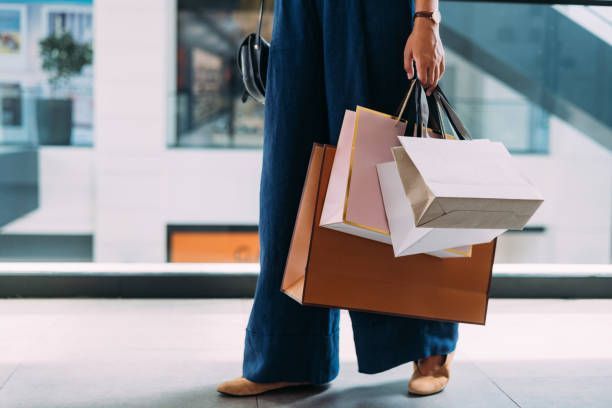
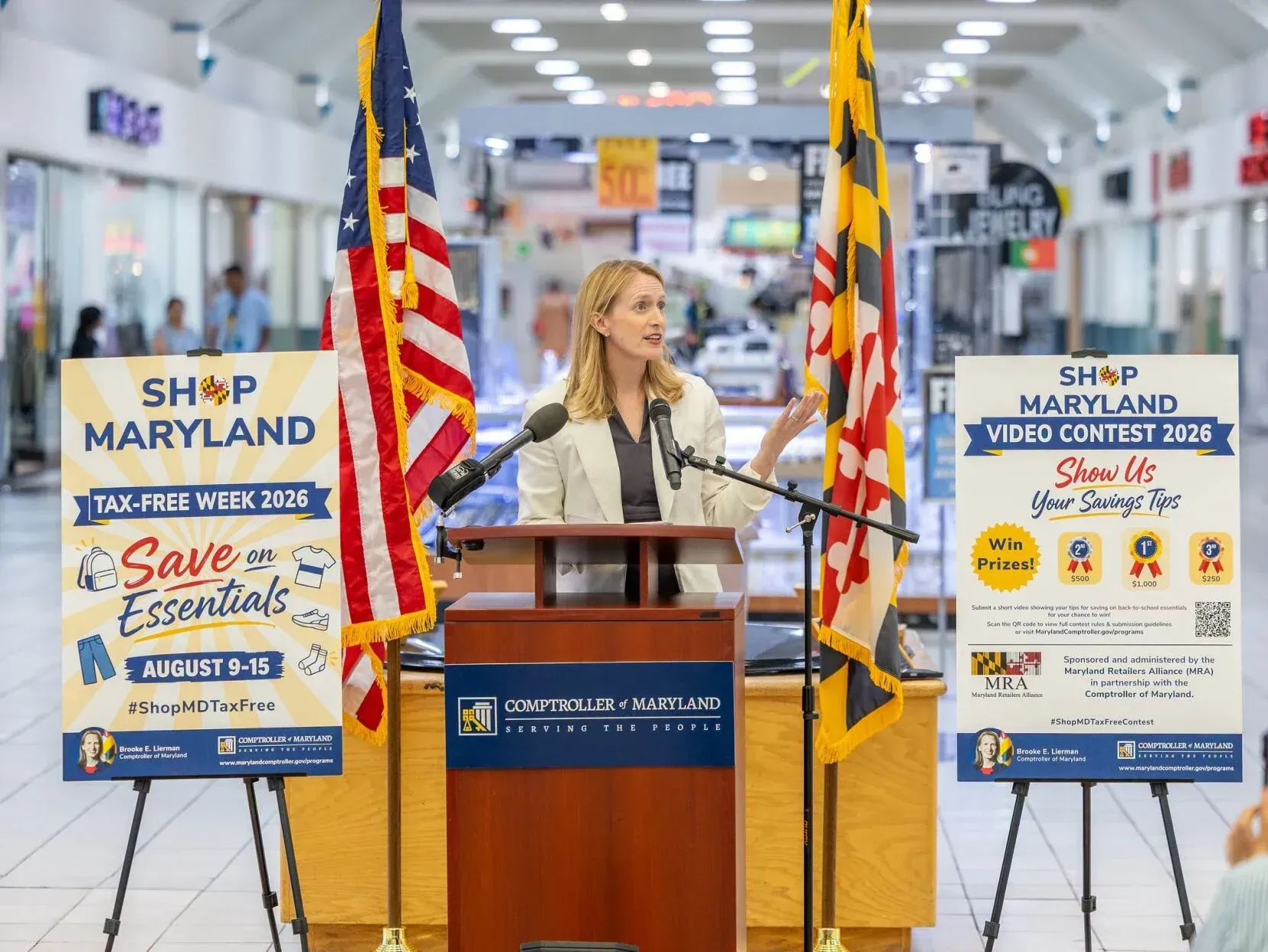
As published by Chris Monticalmo GREENBELT, Md. — Maryland Comptroller Brooke E. Lierman announced Wednesday that the state’s annual Shop Maryland Tax-Free Week will return next month, offering families a break on back-to-school essentials and boosting local retailers. The tax holiday will run from Sunday, Aug. 9, through Saturday, Aug. 15. During the week, qualifying clothing and footwear priced at $100 or less per item will be exempt from the state’s 6 percent sales tax. In addition, the first $40 of a backpack’s purchase price will be exempt from the tax. Lierman, who made the announcement during a press conference at Beltway Plaza Mall, also unveiled a partnership with the Maryland Retailers Alliance for a promotional video contest. Under the initiative, Marylanders can submit short videos filmed at brick-and-mortar retailers in the state sharing money-saving tips. Participants can win up to $1,000 to use during the tax-free week. In a statement, Lierman said the week provides meaningful savings for families on everyday essentials while supporting local businesses that strengthen communities and economies. She encouraged residents and visitors alike to shop local to take advantage of the discount. Local officials and business leaders underscored the importance of the sales tax holiday for small, family-owned establishments. Beltway Plaza Mall is home to more than 90 businesses, many of which are immigrant-owned and represent more than 20 languages. Kenny Wine, vice president of operations for Beltway Plaza Mall, called the week one of the busiest and most crucial shopping events of the year, noting that it drives vital customer traffic to local merchants. State Del. Nicole Williams and Greenbelt Mayor Emmett Jordan also praised the initiative, noting that the temporary relief helps families manage rising household costs. Cailey Locklair, president of the Maryland Retailers Alliance, said every purchase made at a neighborhood retailer helps sustain local jobs and keep the state’s economy thriving. Submissions for the video contest will be accepted through Aug. 1, with winners scheduled to be announced on Aug. 8, the day before the tax-free week begins. Information regarding eligible items, contest rules, and frequently asked questions is available on the Maryland Comptroller’s website. Click here to read article on NottinghamMD https://nottinghammd.com/2026/07/19/2026-s hop-maryland-tax-free-week-and-cash-prize-video-contest-details-announced/
The body content of your post goes here. To edit this text, click on it and delete this default text and start typing your own or paste your own from a different source.
As published by Dominique Moody and Paulina Inglima As prices continue to climb, sticker shock has become a familiar experience for Maryland shoppers. The state hopes to offer temporary relief during its annual tax-free week, running Aug. 9 to 15, just in time for back-to-school shopping. Tax-free items include clothing and footwear priced under $100, as well as the first $40 of a backpack purchase. Here’s an FAQ on what qualifies. The state is partnering with the Maryland Retailers Alliance in a social media contest that gives shoppers a chance to win up to $1,000 during tax-free week. Residents can enter by sharing “a short video (15–60 seconds recommended) at a Maryland retailer sharing a tip for saving money during Maryland's Tax-Free Week.” The contest is open to Maryland residents ages 18 and up and there will be prizes of $1,000, $500 and $250. The winners will be announced the day before tax-free week begins. See all details and eligibility requirements here. A spokesperson said the initiative is “designed to celebrate Maryland retailers while encouraging shoppers to share their tax-free finds and savings.” Local Washington, D.C., Maryland and Virginia local news, events and information Maryland Comptroller Brooke Lierman said the savings matter. “This is an important way to meet Marylanders where they are and make it more affordable to live in this state,” Lierman said. Betty, a Maryland shopper, said she is feeling the impact of rising costs even without children to shop for. “I’m just a family of one, and I’m complaining about the prices and costs,” Betty said. She said she doesn’t have kids but understands how tax-free week can help families prepare for back-to-school. “The books, the uniforms, the shoes — we need a break, and we need it now.” Click here to read article on NBC4 Washington https://www.nbcwashington.com/news/local/maryland-tax-free-week-offers-relief-from-rising-prices/4131387/
1948
advocating since 1948
5,000+
active member businesses
$67.8BILLION
retail's direct impact on Maryland's GDP
500,000+
retail jobs in Maryland