MRA In The News
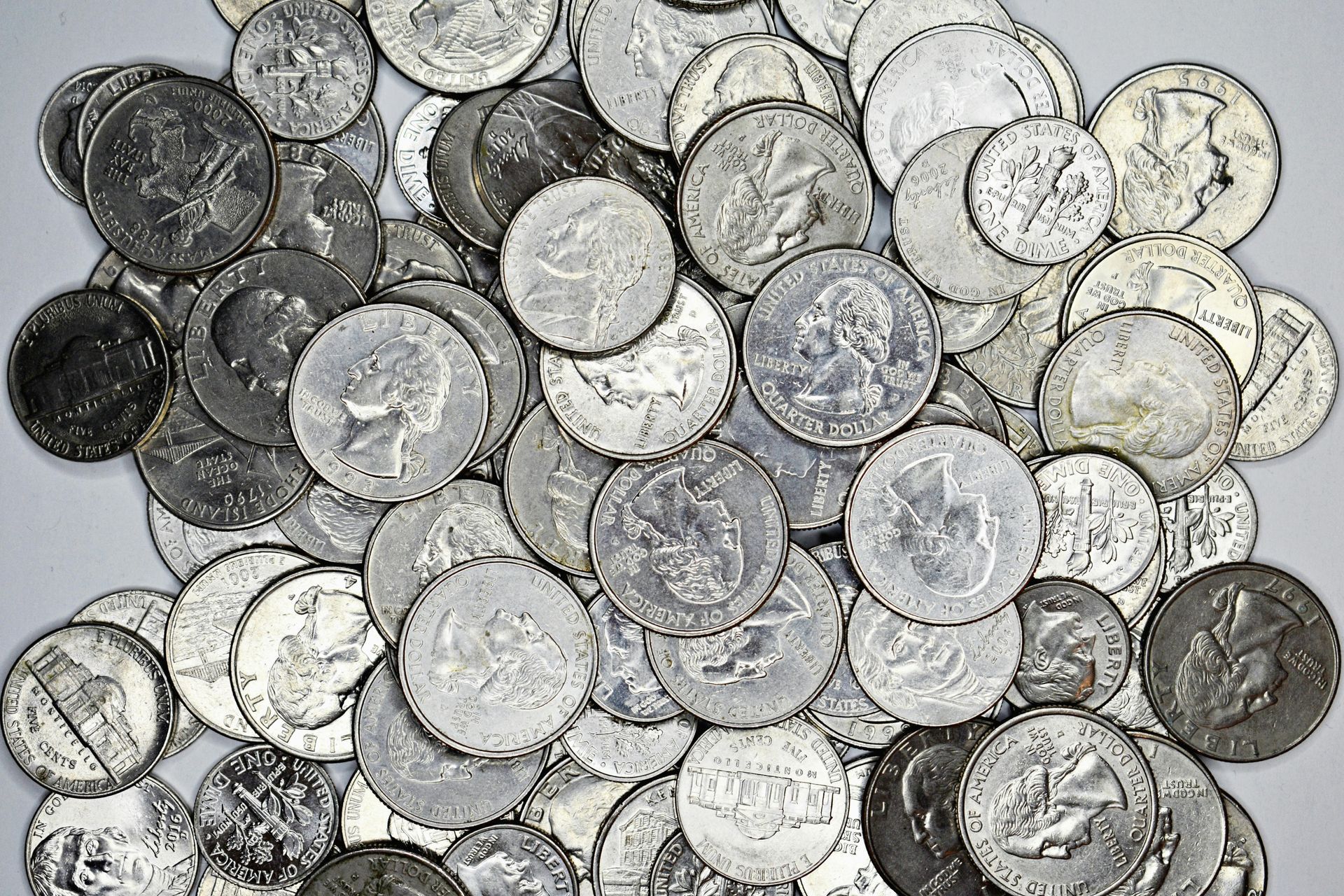
As published by WBALTV11 : BALTIMORE — Maryland has a new law on the books that impacts cash payments at checkout. The emergency bill gives businesses the option of rounding up or down the amount of change to the nearest cent divisible by five. Will all businesses have to do this? How does it impact sales taxes? WBAL-TV 11 News has the answers. This is just an option for business, as stores that use pennies to make exact change may still do so. This does not impact sales taxes that will be applied to the original unrounded price. A new penny rounding law was a popular topic for callers, who gave their "two cents" on WBAL Radio's C4 & Brian Nehman morning radio show. "I (kind of) like it," a caller said. "Those of us who have these jugs of pennies, be a good Samaritan (and) go to the Dollar Tree, pay your entire bill in pennies so they have enough pennies to give everyone change." Gov. Wes Moore signed the emergency legislation last week. It's in response to the federal decision last year to stop making pennies. The new law gives retailers conducting cash transactions the option of rounding either the final price or the change due, but not both, to the nearest five cents when exact change is not available. "I think it is (kind of) stupid. I don't think they should have stopped making the penny. It's going to screw over a lot of people who rely on pinching pennies," Ronan, a visitor to Baltimore, said. "I hate pennies. I have so many of them. So, it's just convenient," Cathy from Baltimore said. "I'm not liking it. You are nickel-and-dimed everywhere for tips and for all this and that. So, giving up a few cents here and there. Not loving it," Diana Castleberry from Baltimore said. Here's how it works. If the price ends in 1, 2, 6 or 7 cents, the change in cash-only transactions may be rounded down to the nearest cent divisible by 5. If the price ends in 3, 4, 8, or 9 cents, the price can be rounded up to the nearest cent divisible by five. The owner of Melrose Place on The Avenue said she hadn't heard about the penny rounding option. "Definitely one more thing to do. Definitely have to let my staff know. Definitely have to prepare for future transactions," Vishau Paysour, the owner of Melrose Place, said. Shoppers should know the law only applies to cash payments, and exact change is still accepted. It is optional for businesses, and some may not do it. Sales tax stays the same and will be calculated on the original price. "I'm OK with rounding. I'm not a big penny fan. So, I would say as long as it is consistent," Debbie Yare from Baltimore said. The new law is widely supported by business groups, including the Maryland Retailers Alliance. Businesses are encouraged to make their rounding policies known to customers at the point of sale. Click here to read the article from WBALTV11 .
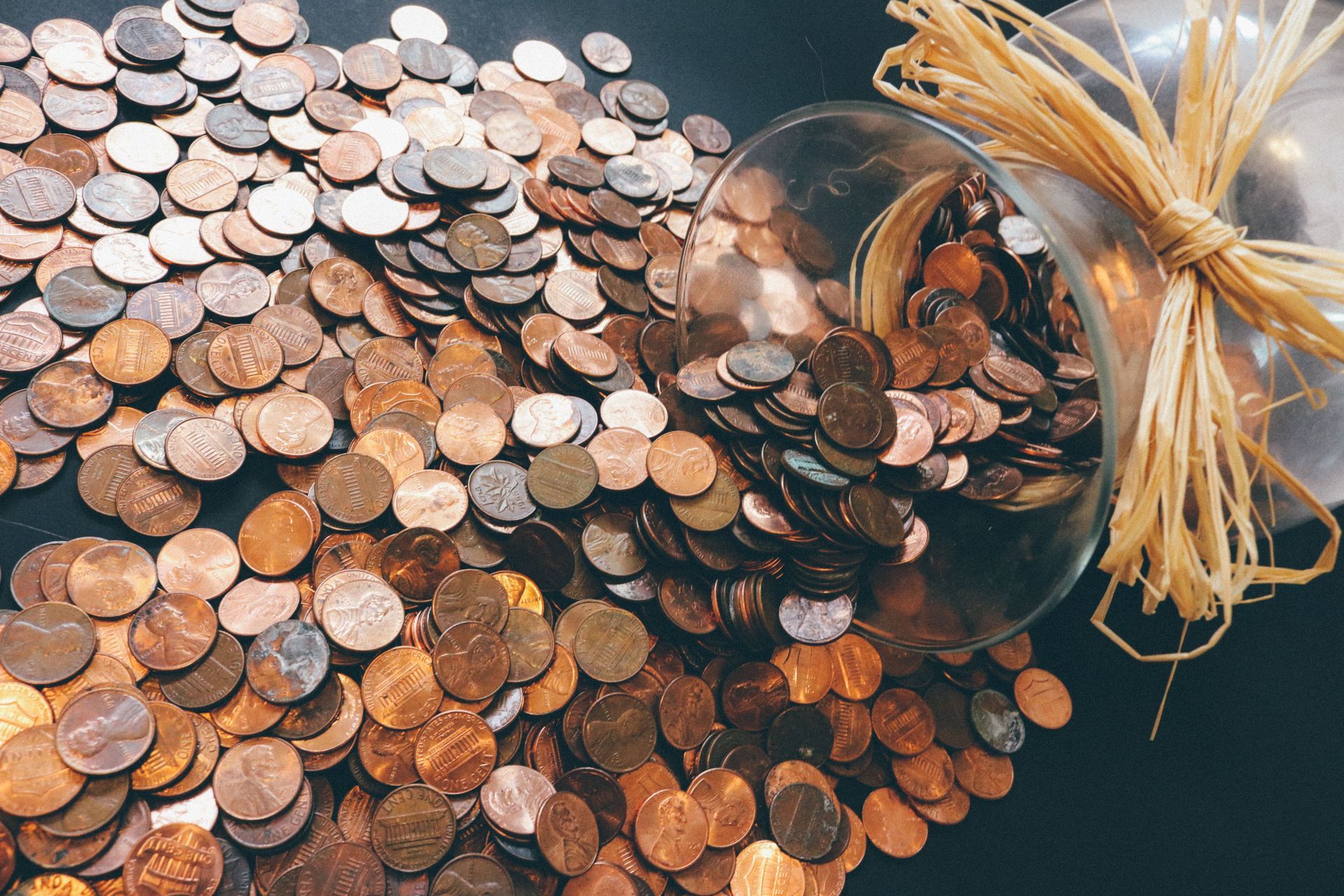
As excerpted from TheBayNet.com : ANNAPOLIS, Md. — A new Maryland law allowing retailers to round cash transactions to the nearest nickel took effect immediately last week following its signing by Gov. Wes Moore as an emergency measure. The legislation, backed by the Maryland Retailers Alliance , is designed to address a growing shortage of pennies that has made it increasingly difficult for businesses to provide exact change in cash transactions. According to a May 2026 tax alert issued by the Maryland Comptroller’s Office , the cessation of penny production “has created a penny shortage, making providing change for cash transactions difficult in some cases.” How The Rounding Works Under the law, retailers conducting cash transactions may round either the final price or the change due — but not both — to the nearest 5 cents when exact change is unavailable. If a total ends in 1, 2, 6 or 7 cents, the amount is rounded down. Totals ending in 3, 4, 8 or 9 cents are rounded up. The policy applies only to cash payments and does not affect credit, debit or digital transactions. It also does not apply when customers provide exact change. Tax Calculations Unchanged Officials stressed that the rounding law does not impact how sales tax is calculated. Taxes must still be applied to the original, unrounded price. “The rounding law does not change the taxable price of a product or service,” the Comptroller’s Office noted, adding that sales tax must be calculated before any rounding occurs. Optional For Businesses Participation in the rounding practice is optional. Businesses that still have sufficient pennies may continue to provide exact change, and the law does not require rounding in any transaction. The measure took effect May 12 after being passed by the Maryland General Assembly as companion bills — House Bill 1026 and Senate Bill 893 — and signed into law the same day. Click here to read the full article from TheBayNet .
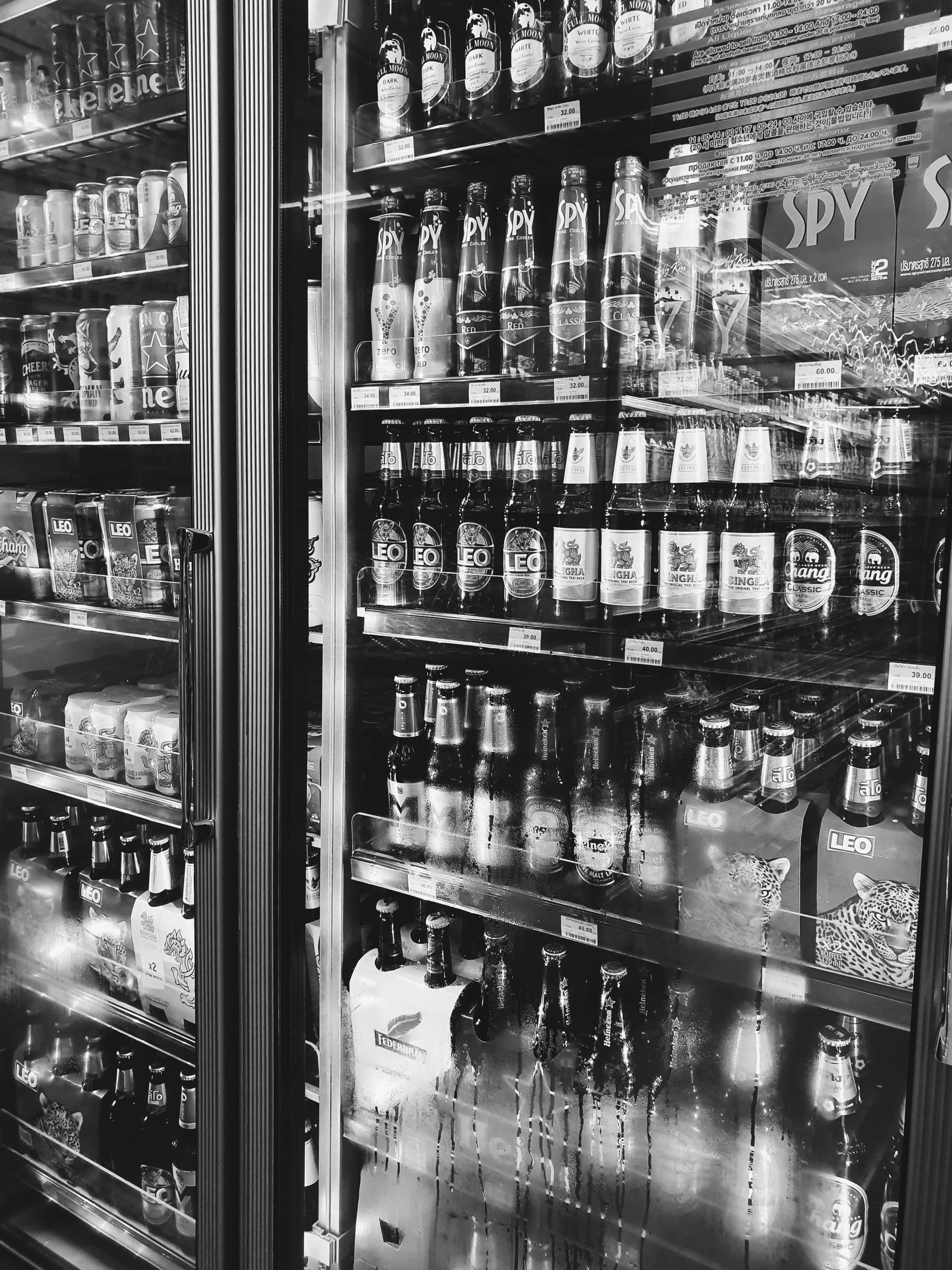
As published by The U.S. Sun : A LAW on alcohol which has existed for almost 50 years could be revoked soon. Locals have debated over the drink rules for years, and now stores like Walmart are bracing for the potential change. Since 1978 beer and wine sales in Maryland grocery stores has been banned. Alcohol must generally be sold in dedicated, separate liquor stores. Other states including Alaska , Delaware and Rhode Island also don’t allow these types of sales. Now, Maryland lawmakers are pushing legislation that would allow grocery stores to stock and sell beer and wine . That means that alcohol could be served in the 58 Walmarts across the state. According to the Maryland Retailers Alliance , 80% of Marylanders support this bill, but there have been several past attempts to pass that law have failed. In 2024, the state passed a law that allowed local retailers to deliver alcoholic beverages through third-party platforms like Door Dash . But locals admit it would be “convienient” if they could pick up their favourite drinks at local shops. One individual told CBS : “It would be very convenient for me to be able to pick up a bottle of wine when I’m shopping for dinner.” Representatives from the Maryland Consumer Freedom Coalition say it is “long overdue”. The group says the current beer ban in grocery stores deprive “consumers of a simple convenience that the vast majority of Marylanders support.” Cailey Locklair, the president of the Maryland Retailers Alliance, argued this legislation would help the overall economy. She told CBS : “Every time a Maryland family crosses that border to shop, we don’t just lose their beer and wine sales. “We lose their entire grocery basket. We lose sales tax revenue. We lose spending that should be supporting Maryland jobs and Maryland communities.” But some are concerned that allowing big chains to sell alcohol would hurt craft distilleries and small businesses. Those in favor of the bill say they also want safeguards to protect existing liquor stores, plus distance restriction would be created between grocery and liquor stores, and a limited square footage allowed for alcohol in grocery stores. Click here to view the article from The U.S. Sun .
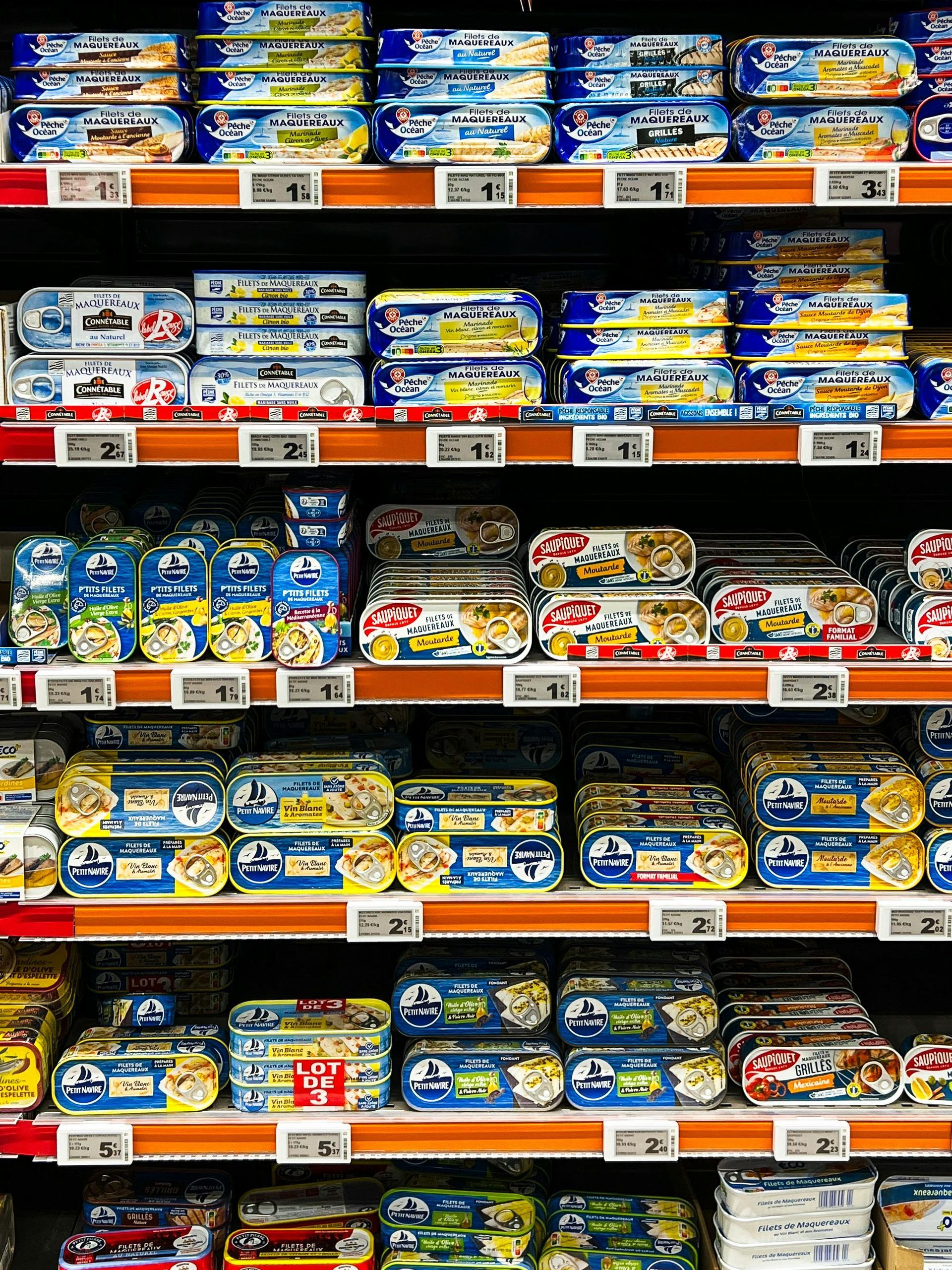
As excerpted from ModernRetail: Maryland is the first state in the country to have a law on the books banning so-called “dynamic pricing” in grocery stores, meaning shoppers can’t be charged a higher price based on their individual data. But the new law is a bare-bones version of the one consumer advocates hope to see passed in other states, as it still allows grocers to use electronic shelf labels and make multiple price changes a day. Dynamic pricing and retailers’ use of electronic shelf labels are hot topics in state legislatures this year as rising grocery prices and inflation continue to stress shoppers’ budgets. The UFCW, or United Food and Commercial Workers union, has made banning dynamic pricing and the use of electronic shelf labels a cornerstone of its state legislative agenda. But retailers and their advocates have pushed back against the effort, citing the safe use of the technology and the existing laws against price gouging. Here’s a breakdown of the new Maryland law and how it changes the discussions around dynamic pricing in grocery. What does Maryland’s law actually ban? Maryland’s new law, the Protection From Predatory Pricing Act, specifically prohibits retailers from using dynamic pricing to set higher prices on tax-exempt groceries. It defines “dynamic pricing” as the discriminatory practice of offering or setting a personalized price to a specific consumer based on their personal data, regardless of whether the seller collected or purchased the personal data. Cailey Locklair, president of the Maryland Retailers Alliance, said the industry group was approached early on by state lawmakers to weigh in on a proposal for dynamic pricing. At one point, there were as many as six versions of legislation going around. But, she said, the industry had no qualms about agreeing not to use individualized data to raise prices. “This is not a common industry practice for us at all,” she said in an interview with Modern Retail. “We were fine to agree to that from the very beginning.” The law applies to retailers with at least 15,000 square feet that sell tax-exempt food, as well as third-party delivery services like DoorDash. It kicks in on October 1, 2026. Violating the provision will result in a fine of $10,000 for a first offense and $25,000 for a subsequent offense. Locklair said the alliance agreed to support the bill because it strikes a balance between using data for pricing and the way the grocery industry actually operates. “I would be remiss if I didn’t say that that [dynamic pricing] technology is out there. It’s just not something that our industry uses because we are hyper competitive with lower profit margins, and we operate way differently than a lot of other industries,” she said. Will retailers have to change anything they’re doing? Maryland’s bill doesn’t immediately change anything for grocers in the state. Rather, it means they can’t use individualized data to raise prices in the future. “If anybody is using any sort of consumer data to drive a price up, that’s illegal in our state now,” Locklair said. But the bill does grant leeway for other kinds of price changes: retailers can still offer promotional pricing, loyalty program benefits and other temporary discounts. Locklair said the bill still allows grocers to raise prices for “valid” reasons that come up, like supply and demand, weather, energy costs and other issues outside the retailer’s control — for instance, when an egg shortage hit in early 2025, and retailers were charging higher prices for a dozen eggs nationwide. What about electronic shelf labels? Ademola Oyefeso, international vice president and director of the legislative and policy department at the UFCW, said the bill falls short because it doesn’t ban electronic shelf labels altogether, which is a priority of the union’s legislative campaign. Its goal is to require stores to use clear, printed shelf prices that everyone can see and ban “surveillance pricing” so no one is charged more based on their data. As passed, Oyefeso said the bill still opens the door to potential data-based price hikes based on household information, region or other factors. But he hasn’t ruled out the state coming back to amend the law in the future if other states ban electronic shelf labels, noting the idea had some support early on. “Our hope was to get an ESL ban in the bill. We were unsuccessful in it,” he said. “[Gov. Wes Moore] became supportive, but the legislature, and the Senate specifically, was very against putting any restraint on electronic shelf labels.” Locklair said the industry is against such a ban in large part because the electronic shelf labels themselves don’t have cameras and can’t identify individuals. Electronic shelf labels have been around for at least 10 years in stores like Best Buy and are being rolled out across Walmart’s fleet this year. Locklair and other industry advocates say that it can actually help address price concerns by being more timely to update than manual stickers. Click here to read the full article from ModernRetail .

As published by The Shelby Report : The Maryland Retailers Alliance (MRA) is challenging public comments by Gov. Wes Moore regarding so-called “predatory pricing” in grocery stores, arguing his characterization has created confusion about the law and scope of newly signed legislation. The pushback follows Moore’s signing April 28 of the Protection From Predatory Pricing Act, which made Maryland the first state to ban price manipulation practices driven by surveillance data. Disputing description In describing the issue, Moore stated that two people could be charged different prices for the same item based on personal data – a characterization that the MRA noted is inaccurate under state law. The alliance stated that such practices are already prohibited under the Maryland Consumer Protection Act, which clearly defines unfair or deceptive trade practices – including misleading or discriminatory pricing – as illegal. Any retailer engaging in the conduct described is subject to pre-existing enforcement action. The alliance also emphasized that the newly enacted Protection From Predatory Pricing Act does not address or prohibit individualized grocery pricing as Moore described it. Suggesting otherwise, it said, misrepresents the scope and legal effect of the legislation. Economic realities The industry response also pointed to the highly competitive nature of the grocery sector as a check on the kind of pricing practices Moore described. Grocery stores operate within one of the most competitive sectors of the economy, typically sustaining profit margins of 1 to 3 percent. The alliance said this environment benefits consumers by keeping prices low and limiting the ability of any single retailer to artificially inflate prices without losing business. The notion that widespread, individualized price gouging could occur in such a market is inconsistent with the economic realities, the group said. The alliance further noted that the Maryland Office of the Attorney General has no record of substantiated complaints indicating a pattern of grocery stores engaging in unlawful predatory pricing increases. Other industries The alliance contends that policy discussions about individualized or dynamic pricing models would be more appropriately focused on other industries. Sectors such as third-party delivery platforms, hotels, rideshare apps and airlines have long relied on variable pricing based on demand, timing and consumer data. These sectors are where such pricing practices are most prevalent. Call for accuracy The alliance closed its statement with a call for clearer communication from public officials about consumer protection laws. “Accurate public communication about consumer protection laws is essential. Maryland residents deserve clarity about their rights and confidence that existing laws already safeguard them from unfair and deceptive practices,” the group said. It urged public officials to ensure that statements regarding consumer protection and pricing practices reflect the law as written and enforced. Click here to read the article on The Shelby Report .
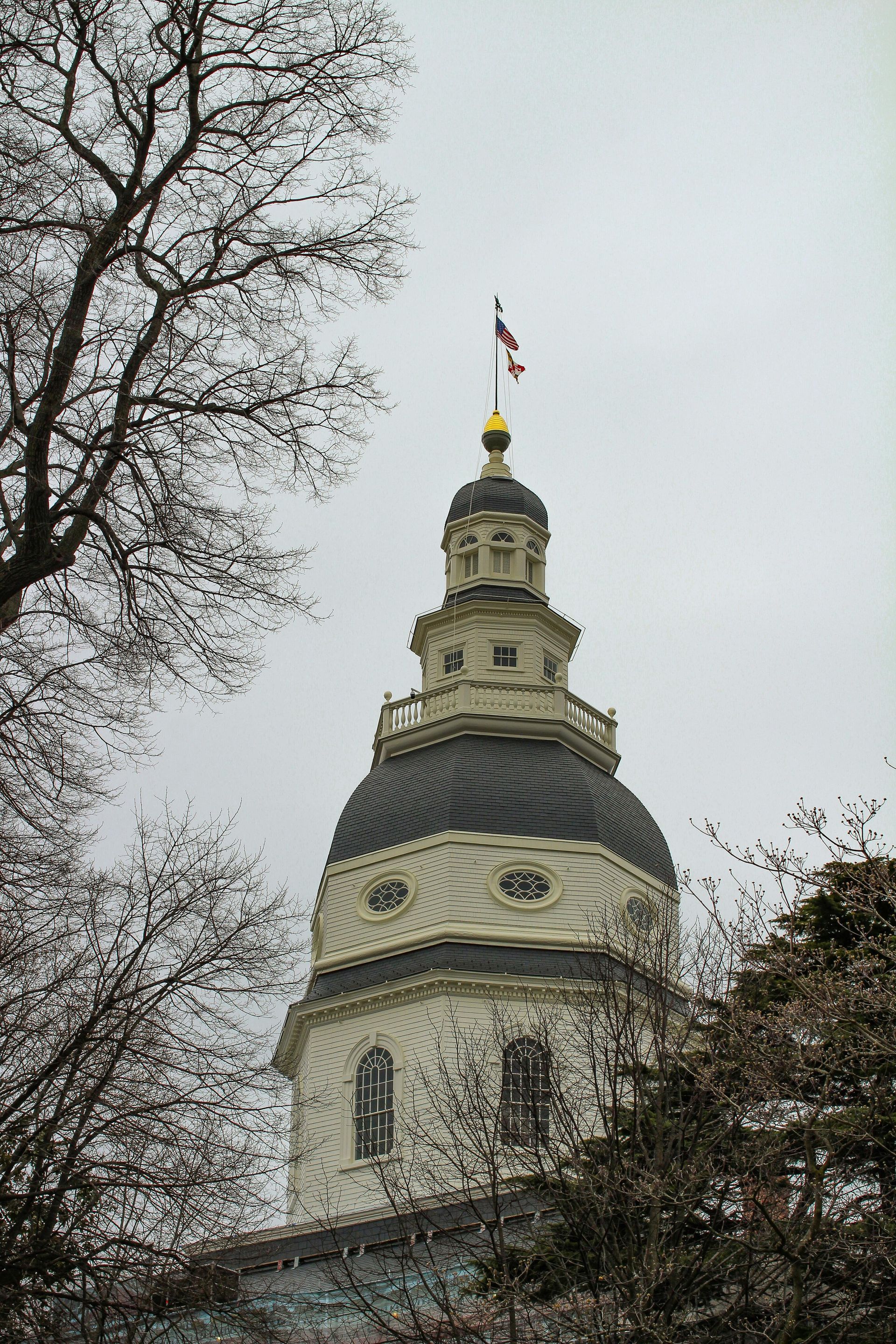
As published by The Center Square : Maryland Gov. Wes Moore has signed hundreds of bills into law following the 2026 legislative session, approving measures tied to grocery pricing practices, voting rights, public safety and financial regulations. Among the measures signed this spring is the Protection From Predatory Pricing Act. The governor’s office said it is intended to limit certain pricing practices tied to consumer data. The law applies to some large food retailers and third-party delivery platforms and covers certain tax-exempt food items. Moore’s office said the measure makes Maryland the first state in the country to restrict some forms of what it describes as surveillance-based pricing practices in the food retail sector. Moore also signed the Voting Rights Act of 2026, Senate Bill 255, which authorizes legal action against local voting practices alleged to dilute the votes of protected groups. The legislation was backed by the Legislative Black Caucus of Maryland and voting rights advocacy organizations, including the Legal Defense Fund. Other bills signed include House Bill 284, which requires licensed firearm dealers to notify the Secretary of State Police within 24 hours if they become aware certain security features have been compromised or if certain crimes occur involving firearms. Moore also signed additional requirements tied to Maryland’s Ignition Interlock System Program for some drivers convicted of alcohol-related offenses under House Bill 286. Under the law, certain individuals with suspended or revoked licenses tied to alcohol violations will be required to use a breathalyzer device connected to their vehicle before it can start. Moore also signed Senate Bill 94 regulating earned wage access providers, companies that allow workers to access earned wages before payday. The governor’s office said the measure makes Maryland the first state in the nation to prohibit providers from requesting tips on those products. The grocery pricing measure drew debate during the legislative process. The Maryland Retailers Alliance said existing Maryland consumer protection laws already prohibit deceptive or discriminatory pricing practices. The group also said the new law does not ban individualized grocery pricing as described by supporters. Consumer Reports, meanwhile, said the final version of the law contained loopholes and weak enforcement provisions, while still supporting the broader effort to limit what it described as surveillance pricing practices. Several of the measures, including the grocery pricing law, take effect Oct. 1. Click here to read the article on The Center Square .
ANNAPOLIS, MD – Recent public comments by Governor Wes Moore regarding so-called “predatory pricing” in grocery stores have created confusion about both existing law and the scope of newly signed legislation. In describing the issue, Governor Moore stated that two individuals could be charged different prices for the same item based on personal data. This characterization is inaccurate under current Maryland law. Such practices are already prohibited under the Maryland Consumer Protection Act, which clearly defines unfair or deceptive trade practices including misleading or discriminatory pricing as illegal. Any retailer engaging in the conduct described would already be subject to pre-existing enforcement action. Importantly, the newly enacted “Protection from Predatory Pricing Act” does not address or prohibit individualized grocery pricing as described. Suggesting otherwise misrepresents both the scope and the legal effect of the legislation. Grocery stores also operate within one of the most competitive sectors of the economy, typically sustaining profit margins of just 1–3 percent. This highly competitive environment benefits consumers by keeping prices low and limiting the ability of any single retailer to artificially inflate prices without losing business. The notion that widespread, individualized price gouging could occur in such a market is inconsistent with the economic realities of the industry. Further, even prior to this law the Maryland Office of the Attorney General has no record of substantiated complaints indicating a pattern of grocery stores engaging in unlawful “predatory pricing increases” of the type described. It is also important to distinguish where individualized or dynamic pricing models are more commonly used. Industries such as third-party delivery platforms, hotels, rideshare apps, and airlines have long relied on variable pricing based on demand, timing, and consumer data. These sectors, unlike traditional grocery retail, are actually where such pricing practices are most prevalent and where policy discussions would be more appropriately focused. Accurate public communication about consumer protection laws is essential. Maryland residents deserve clarity about their rights and confidence that existing laws already safeguard them from unfair and deceptive practices. We urge public officials to ensure that statements regarding consumer protection and pricing practices reflect the law as written and enforced.
As published by The Hill : MARYLAND ( WDCW ) – Maryland is on track to become the first state to ban so-called dynamic pricing in grocery stores across the state. The practice, officials say, allows prices to change based on demand or even customer data. Earlier this month, the state legislature passed the Protection from Predatory Pricing Act, introduced as part of Gov. Wes Moore’s (D) legislative agenda . The bill targets a system whereby retailers can use technology to adjust prices throughout the day or show different prices to different customers, especially in online shopping. Lawmakers said the goal is to prevent that type of pricing from being used in grocery stores across Maryland. Moore said last week that he is excited to sign the new bill. The move comes as consumers say grocery costs are already stretching their budgets. “It’s literally kind of out of hand, almost to the point where it’s like I’m coming twice a week, and twice a week you’re spending easily $125 on a little bit of items,” shopper Deshawn Singleton told Nexstar’s WDCW. “I feel as though it’s a little bit high. … I feel like we can save on the food if we can just, I guess, cut down on the prices,” Latasha Johnson added. Moore has warned that without regulation, shoppers could end up paying different prices for the same items without knowing it. “Digital price tags are replacing paper ones… cameras are watching aisles… apps are moving from search-based to predictive and having true curated experiences that end up harming the average shopper,” Moore said during testimony last month. “If Myles [a member of Moore’s staff] and I were to go in a supermarket at the same time… we could pick up the exact same item and be charged a different price for it, because they know that I’ll pay it. This type of manipulation of data is not fair.” Some shoppers say the bill could make grocery costs more predictable, especially for families on tight budgets. “You never know what the price is going to be… it fluctuates week on week. So that will be a strong basis to have a set number for families to play around with,” one customer said. Justin Brookman, director of marketplace policy at Consumer Reports, says the bill is a step in the right direction but raises concerns about enforcement. “Another problem is there’s no real enforcement. Like, if you got caught doing it, all you need to do is stop once you get caught, and then there can’t be any fines,” Brookman said. The Maryland Retailers Alliance said the bill is a “workable framework.” “The final bill reflects a workable framework that achieves the stated policy goal of prohibiting the use of consumer data to increase prices while preserving the ability for retailers to offer discounts and promotions that benefit consumers,” a statement from the alliance reads. If signed into law, Maryland would become one of the first states in the country to restrict dynamic pricing in grocery stores. Once the bill is signed, it will go into effect in October. Click here to read the full article from The Hill .
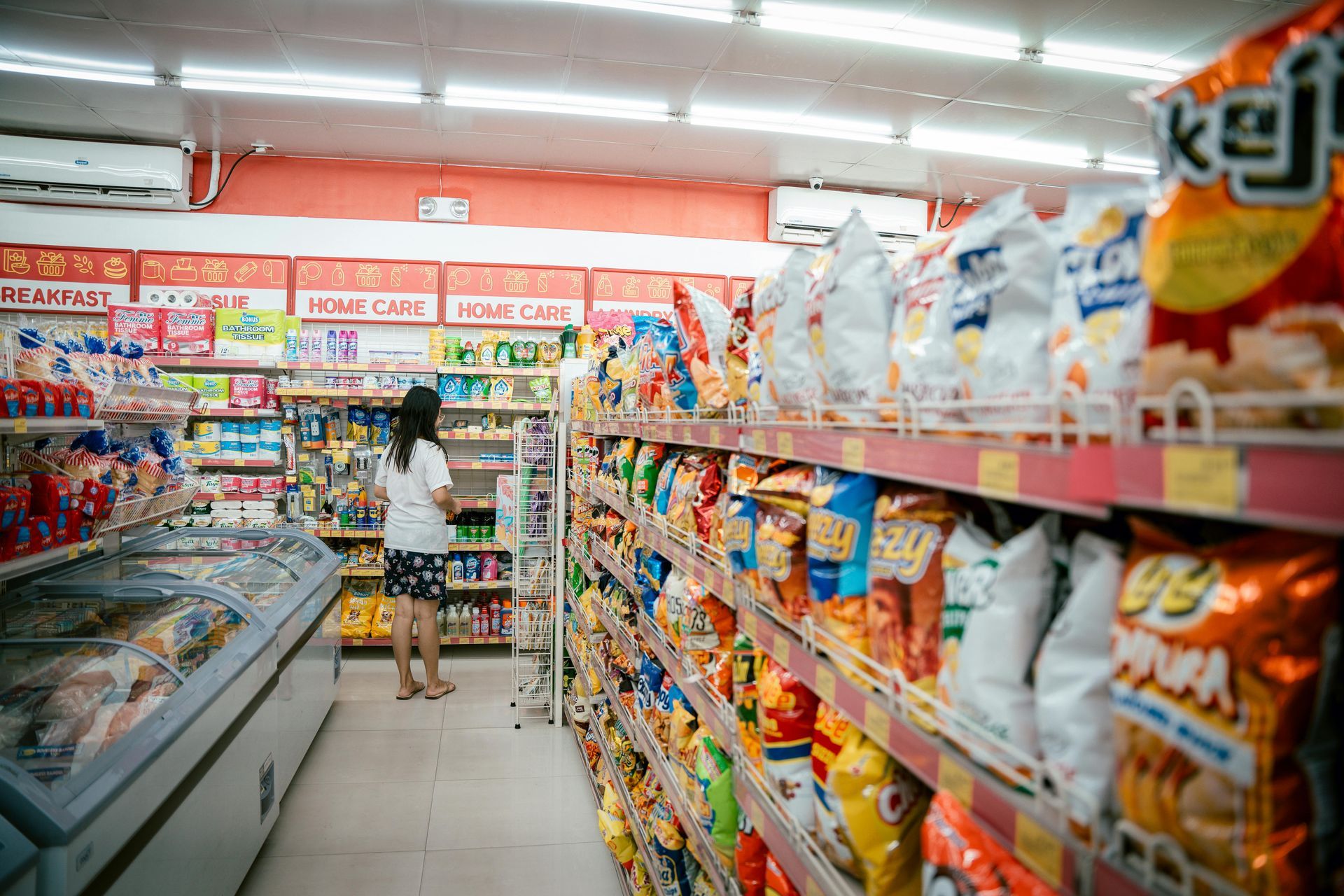
The body content of your post goes here. To edit this text, click on it and delete this default text and start typing your own or paste your own from a different source.
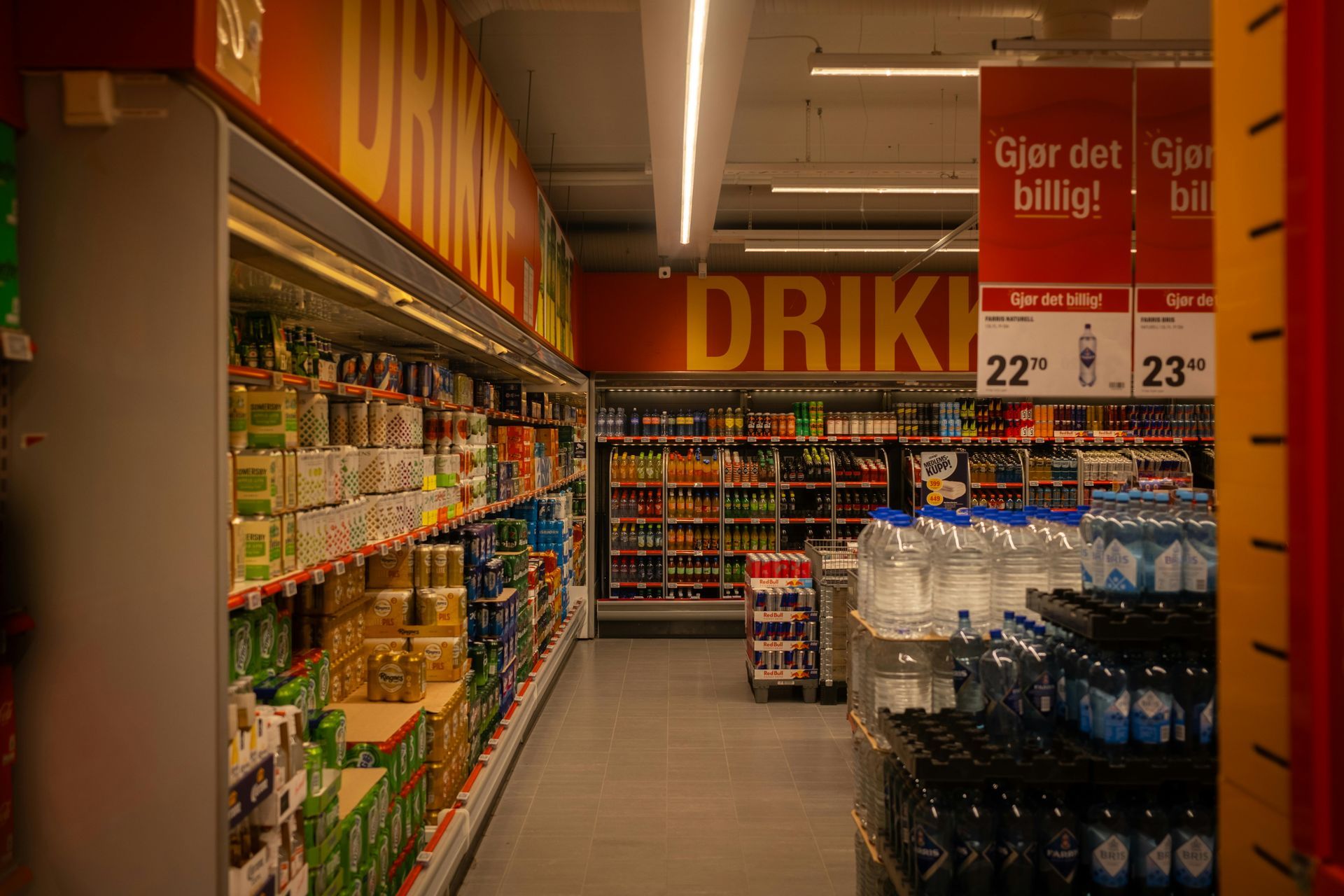
As published by Newsmax : Maryland has become the first state to ban "surveillance pricing" in grocery stores after lawmakers passed the Protection from Predatory Pricing Act earlier this month. The legislation, which takes effect Oct. 1, bans dynamic pricing and the use of surveillance data to tailor individual prices in grocery stores, protecting residents from intrusive data practices and sudden price swings that drive up the cost of groceries. "Marylanders deserve to know that the price they see on the shelf is the price they will pay at the register," Maryland Gov. Wes Moore said in a statement Monday. "Our administration is laser-focused on protecting Marylanders from skyrocketing costs. At a time when Marylanders are already stretched by the rising cost of groceries, housing, and everyday necessities, we must ensure that new technologies are not used to drive up the bill for working families." "I can't wait to sign it," Moore wrote in an April 14 post on X . Moore said the legislation can help shield Marylanders "from invasive data practices and unpredictable price spikes." Businesses that don't follow the new guidelines could be fined up to $10,000 for their first offense. Consumer Reports says the final draft of the bill falls short in its protection of consumers. "While it's encouraging to see the Maryland legislature take up this issue, this bill has loopholes that will limit its real-world impact," the organization said in a press release. "We urge other state legislatures considering personalized pricing legislation to build in stronger consumer protections and avoid loopholes that weakened this bill," the release added. The Maryland Retailers Alliance said the bill is a "workable framework." "The final bill reflects a workable framework that achieves the stated policy goal of prohibiting the use of consumer data to increase prices while preserving the ability for retailers to offer discounts and promotions that benefit consumers," a statement from the alliance read. Click here to read the article from Newsmax .